

It’s just who we are.
We share your devotion to the horse, and we live it every day through an Unconditional commitment: If we always do right by the horse, we’ll never do wrong.

Our Commitment
Do What’s Right for the Horse
It’s our Unconditional commitment to continually innovate and improve the products and programs that impact the health and well-being of horses. We stand arm in arm with all of you who share our devotion to the horse.
Our Team
Expertise & Guidance You Can Trust
Our team of professional services veterinarians and sales experts are widely recognized as some of the best in the industry, providing invaluable expertise and guidance to equine practitioners and horse owners. Fueled by a passion for horses and the people who care for them, we go beyond just products to provide valuable solutions and resources that improve the lives of horses. Because it’s more than a profession, it’s a way of life for our team.

Making a Difference, Not Just Products
Products and programs that strengthen the bond between human and horse.



Featured Products
Premium equine health solutions that provide the highest level of safety and efficacy.



Important Safety Information:
PANACUR®: Do not use in horses intended for human consumption.
PROTAZIL®: PROTAZIL® is contraindicated in horses with known hypersensitivity to diclazuril. The safety of Protazil in horses used for breeding purposes, during pregnancy, or in lactating mares, and use with concomitant therapies in horses has not been evaluated. Do not use in horses intended for human consumption. Not for human use. For complete safety information, refer to the product label.
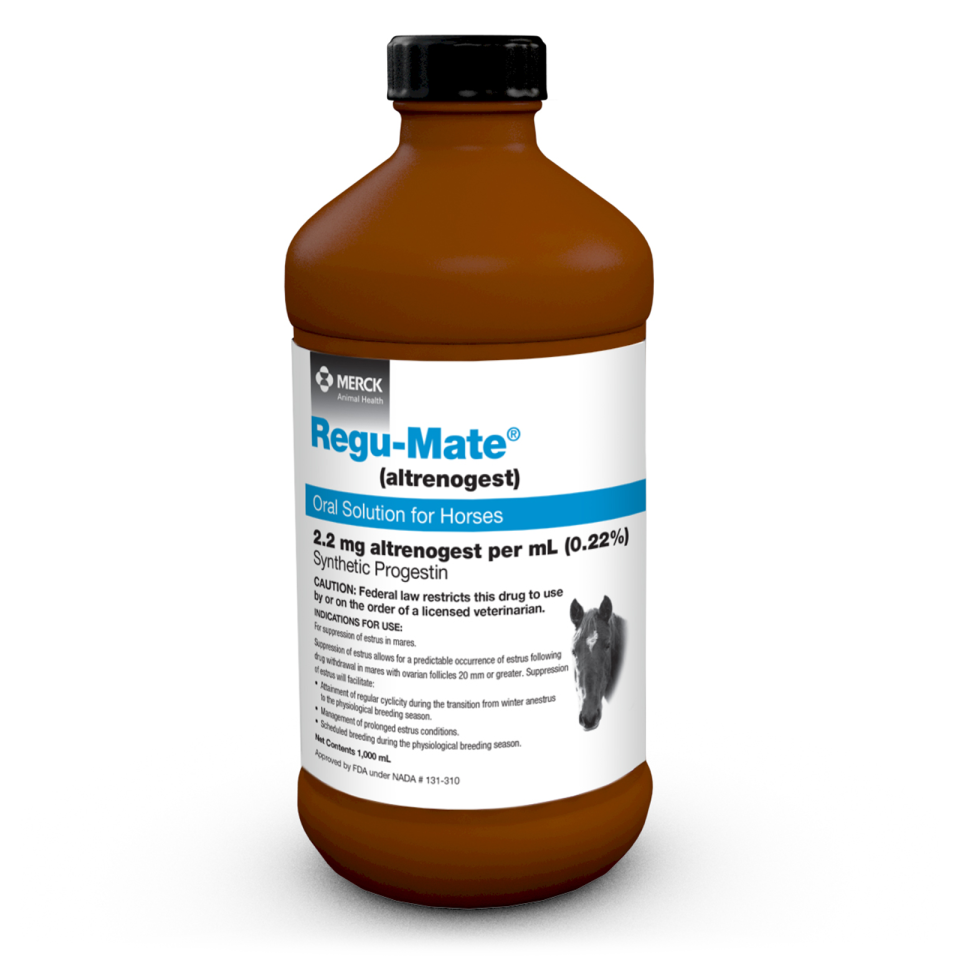
REGU-MATE®: Regu-Mate® is contraindicated for use in mares having a previous or current history of uterine inflammation. Natural or synthetic gestagen therapy may exacerbate existing low-grade or “smoldering” uterine inflammation into a fulminating uterine infection in some instances. Do not use in horses intended for human consumption. Avoid skin contact. Regu-Mate® is absorbed through unbroken skin, and exposure may result in serious side effects to both women and men. Wear vinyl, neoprene, or nitrile gloves when handling or administering Regu-Mate®, or when touching contaminated surfaces or equipment. Latex gloves are not protective. PREGNANT WOMEN OR WOMEN WHO MAY BE PREGNANT SHOULD NOT HANDLE REGU-MATE®. WOMEN OF CHILDBEARING AGE SHOULD EXERCISE EXTREME CAUTION WHEN HANDLING THIS PRODUCT. Regu-Mate® is readily absorbed through the skin and could lead to a disruption of the menstrual cycle or prolongation of pregnancy. Accidental spillage on the skin should be washed off immediately with soap and water. Keep out of the reach of children. For complete safety information, refer to the product label.

#BeUnconditional
Learn more about our Unconditional Commitment